
Melbourne weather has a habit of keeping everyone on their toes. One day the sun is shining, and the next, heavy rain has transformed your backyard into something that looks more like a shallow lake than a relaxing outdoor space. Most homeowners shrug it off as “just Melbourne being Melbourne,” but persistent water problems usually tell a different story. Your property is often sending clear signals that it needs professional Stormwater Drainage Solutions before minor issues become expensive repairs.
If you’ve ever stepped outside after rain only to find puddles refusing to disappear or noticed damp patches creeping across your walls, you’re not imagining things. I’ve seen countless Melbourne properties where small drainage problems quietly turned into structural headaches simply because the warning signs were ignored. Understanding these early indicators can help you protect your home, save money, and avoid unnecessary stress.
What Are Stormwater Drainage Solutions?
Stormwater Drainage Solutions are professionally designed systems that collect, redirect, and safely dispose of rainwater before it damages your property. Instead of allowing water to pool around foundations, flood gardens, or enter your home, these systems channel excess water into approved drainage networks.
In Melbourne, where rainfall patterns can change rapidly throughout the year, effective drainage isn’t simply a convenience—it’s part of protecting your home’s structural integrity. Whether your property requires new drainage channels, stormwater pits, grated drains, agricultural pipes, or upgrades to existing infrastructure, the right solution depends on your land, soil type, and water flow patterns.
Why Melbourne Homes Face More Drainage Challenges
Melbourne’s unpredictable climate, combined with expanding suburbs and older drainage infrastructure, creates unique challenges for homeowners. New driveways, landscaping projects, extensions, and neighbouring developments can all change how water naturally moves across your property.
Clay-heavy soils found throughout many Melbourne suburbs make matters even trickier. Instead of absorbing rainfall quickly, the ground often holds water near the surface, increasing the likelihood of pooling, erosion, and foundation movement. That’s why Stormwater Drainage Solutions should always be tailored specifically to local conditions rather than using a one-size-fits-all approach.

1. Water Pools Around Your Home After Every Rainstorm
If puddles remain around your property long after the rain has stopped, your drainage system probably isn’t handling water efficiently. Standing water may seem harmless initially, but it gradually weakens soil around foundations, damages landscaping, attracts mosquitoes, and creates slippery outdoor surfaces. Over time, repeated water exposure increases the risk of cracks developing in concrete paths, retaining walls, and even your home’s foundation.
Professional Stormwater Drainage Solutions redirect this excess water before it has an opportunity to cause long-term structural damage.
2. Your Lawn Feels Like a Sponge
Healthy lawns should drain naturally within a reasonable time after rainfall. If your backyard remains soggy for days, it often indicates poor subsurface drainage. Walking across waterlogged grass shouldn’t feel like stepping onto a soaked mattress, yet many Melbourne homeowners experience exactly that. Constantly saturated soil weakens plant roots, encourages fungal growth, and makes outdoor entertaining nearly impossible.
Sometimes surface drainage improvements solve the problem, while other situations require underground drainage systems specifically designed for your property’s conditions.
3. Damp Walls, Mould, or Musty Smells Inside Your Home
Many people assume internal dampness always comes from leaking roofs or plumbing issues. Surprisingly, poor external drainage is often the hidden culprit. When stormwater repeatedly accumulates against external walls, moisture gradually finds its way inside through porous brickwork or foundation gaps. Over time, this creates ideal conditions for mould growth, peeling paint, and persistent musty odours.
If you’re also booking a leak detection service to investigate unexplained moisture, it’s worth having your stormwater drainage assessed simultaneously. Addressing both potential causes ensures the real problem isn’t overlooked.
4. Driveways and Pathways Are Starting to Crack
Concrete isn’t invincible. Excess moisture beneath driveways and footpaths gradually weakens supporting soil, allowing sections to sink or crack.
Here’s what commonly happens:
- Small hairline cracks begin appearing.
- Water enters beneath the surface.
- Soil shifts during wet and dry cycles.
- Cracks widen with vehicle weight.
- Repairs become significantly more expensive.
Stormwater Drainage Solutions reduce water accumulation beneath hard surfaces, helping maintain stable ground conditions and extending the lifespan of your concrete.
5. Gutters Overflow Even When They’re Clean
Overflowing gutters don’t always mean they’re blocked. If downpipes can’t move water away quickly enough because underground drains are overloaded or damaged, rainwater backs up through the entire system.
Many Melbourne homeowners clean their gutters religiously yet still experience overflowing water during heavy rainfall. That’s often a sign the problem exists underground rather than on the roof. A qualified plumber Melbourne can inspect the complete stormwater system and identify whether blocked underground pipes, poor drainage design, or damaged connections are restricting water flow.
6. Drains Frequently Overflow During Rain
When outdoor drains repeatedly overflow after storms, they’re usually struggling to cope with water volumes.
Several issues may contribute:
| Possible Cause | Potential Solution |
| Tree root intrusion | Professional drain blockage removal |
| Sediment build-up | blocked drain clearing |
| Collapsed drainage pipes | Pipe repair or replacement |
| Poor drainage design | Stormwater system redesign |
| Insufficient drainage capacity | Additional drainage infrastructure |
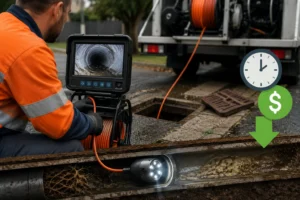
Professional inspections often include CCTV drain cameras, allowing plumbers to locate problems accurately without unnecessary excavation.
7. Your Neighbours Don’t Have the Same Problem
One of the clearest indicators that your drainage needs attention is when neighbouring properties remain dry while yours consistently floods.
Every property has unique contours, but if water continually gathers on your land despite similar rainfall conditions, it’s usually a sign that your drainage system isn’t performing efficiently. Ignoring these differences often allows problems to worsen gradually until expensive structural repairs become unavoidable.
How Professional Stormwater Drainage Solutions Protect Your Investment
Quality drainage isn’t simply about moving water away. It’s about protecting everything you’ve invested in. Experienced drainage specialists evaluate multiple factors, including property slope, existing pipework, local council requirements, soil composition, rainfall intensity, and future maintenance needs. This creates a drainage system designed specifically for your home’s long-term performance rather than offering temporary fixes.
At Royal Flushed Plumbing & Gasfitting, every assessment focuses on identifying the actual cause of water problems before recommending practical, cost-effective solutions.
Why Early Repairs Save Thousands Later
Many homeowners delay drainage repairs because the problem seems manageable. Unfortunately, water damage rarely improves by itself. Small drainage issues gradually contribute to foundation movement, retaining wall failures, damaged landscaping, internal moisture, pest activity, and deteriorating concrete. Fixing these secondary problems often costs many times more than addressing the drainage issue early.
Whether you require blocked drain clearing, drain blockage removal, complete Stormwater Drainage Solutions, or a reliable plumbing service Melbourne, early intervention almost always proves the more affordable option. In fact, if stormwater is affecting your property or local waterways, guidance from the Australian Government’s Department of Climate Change, Energy, the Environment and Water can help you better understand responsible stormwater management practices.
Choosing the Right Drainage Specialist in Melbourne
Not every drainage issue requires extensive excavation, and not every wet backyard needs the same solution.
Look for professionals who:
- Conduct detailed site inspections before quoting.
- Use CCTV drain cameras where appropriate.
- Explain findings clearly without confusing technical language.
- Offer long-term drainage solutions rather than temporary fixes.
- Understand Melbourne’s local drainage conditions and council requirements.
Working with experienced professionals means you’re investing in lasting protection instead of repeated repairs.
Conclusion
Stormwater problems rarely appear overnight. They develop gradually through standing water, damp walls, cracked driveways, overflowing drains, soggy lawns, and hidden underground issues that worsen with every heavy Melbourne downpour. Recognising these seven warning signs early gives you the opportunity to protect your home’s structure, landscaping, and long-term value before costly repairs become necessary. Professional Stormwater Drainage Solutions provide an effective, tailored approach that keeps rainwater moving safely away from your property.
If you’ve noticed any of these warning signs around your home, don’t wait until the next storm makes the problem worse. Contact Royal Flushed Plumbing & Gasfitting today for a professional inspection and expert advice. Whether you need Stormwater Drainage Solutions, blocked drain clearing, drain blockage removal, leak detection service, or a trusted plumber Melbourne, our experienced team is ready to help protect your property with reliable, long-lasting drainage solutions.
Frequently Asked Questions
-
1. What are Stormwater Drainage Solutions?
Stormwater Drainage Solutions are systems designed to collect and redirect rainwater away from buildings, driveways, gardens, and foundations. They help prevent flooding, erosion, structural damage, and water pooling by safely moving stormwater into approved drainage networks.
-
2. How do I know if my Melbourne property needs new stormwater drainage?
Common signs include standing water after rain, soggy lawns, overflowing outdoor drains, damp internal walls, cracked driveways, mold growth, and recurring water around your home's foundation. A professional drainage inspection can identify the exact cause and recommend the most suitable solution.
-
3. Can blocked stormwater drains cause property damage?
Yes. Blocked stormwater drains can cause water to back up around your home, increasing the risk of foundation movement, soil erosion, landscaping damage, mold, and internal water ingress. Prompt blocked drain clearing and drain blockage removal help minimise these risks.
-
4. Should I get a leak detection service if I have damp walls?
Yes. Damp walls may result from plumbing leaks, poor stormwater drainage, or a combination of both. A professional leak detection service alongside a drainage assessment helps identify the true source of the moisture and ensures the correct repair is carried out.
-
5. Why should I hire a professional plumber in Melbourne for stormwater drainage?
An experienced plumber Melbourne can inspect underground drainage systems using specialised equipment such as CCTV drain cameras, accurately diagnose problems, and recommend long-term Stormwater Drainage Solutions that comply with local regulations while protecting your property from future water damage.