
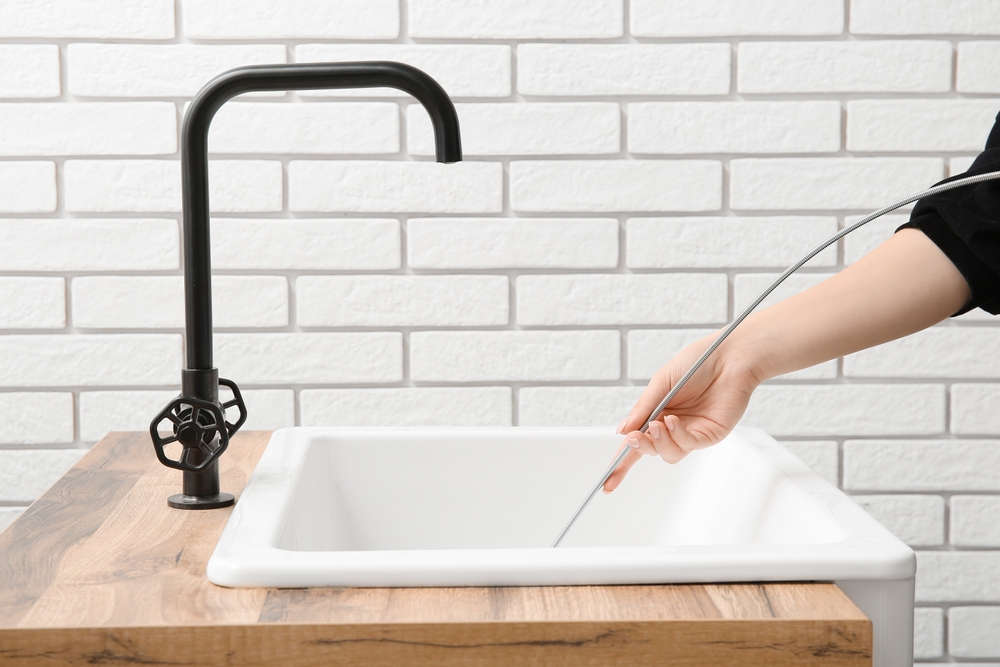
If you’ve ever stood in your kitchen at 7am, coffee in hand, watching water pool around your feet instead of draining away, you already know why kitchen plumbing Melbourne homeowners deal with matters more than most people admit. Melbourne’s mix of old Victorian terraces, 1970s brick veneers, and shiny new apartment fit-outs means our pipes have seen a lot of life — and sometimes it shows. This guide is your no-nonsense walkthrough of the most common kitchen plumbing Melbourne issues, why they happen, and what you can actually do about them before things get messy.
We’re Royal Flushed Plumbing & Gasfitting, and we’ve spent years elbow-deep in Melbourne kitchens, so consider this the conversation we’d have with you over the fence, minus the awkward small talk.
Why Kitchen Plumbing Melbourne Homes Need Special Attention
Melbourne’s plumbing landscape is a bit like its weather — unpredictable and full of surprises. Older suburbs like Fitzroy, Brunswick, and Richmond often still run on ageing galvanised or copper pipework, while newer developments in Docklands or Point Cook lean on modern PVC and PEX systems. This patchwork of infrastructure means kitchen plumbing Melbourne solutions aren’t one-size-fits-all. A fix that works beautifully in a new build might be completely wrong for a heritage home with decades-old joints.
Add in Melbourne’s famous “four seasons in one day” climate, and you’ve got pipes expanding and contracting more than they’d like, seals wearing out faster, and mineral build-up from our moderately hard water accelerating wear on taps and fittings. Understanding kitchen plumbing Melbourne conditions is the first step toward avoiding costly surprises down the track.
Common Kitchen Sink Plumbing Problems
Kitchen sink plumbing is where most household dramas begin. It’s the busiest fixture in your home, working overtime for dishes, food scraps, and everything in between. A slow-draining sink is usually the first warning sign, often caused by a build-up of fat, coffee grounds, or food particles clinging to the inside of the pipe walls. What starts as a minor annoyance can quietly narrow the pipe until one day it stops draining altogether.
Leaking P-traps are another regular offender in kitchen sink plumbing. These U-shaped pipes under your sink are designed to hold a small amount of water that blocks sewer gases from creeping back into your home, but the rubber seals inside them degrade over time. If you’ve noticed a musty smell or a damp cupboard under the sink, that’s usually your P-trap waving a white flag. Fortunately, this is one of the more affordable kitchen plumbing Melbourne repairs, and a licensed plumber can typically resolve it within the hour.
Kitchen Tap Repair Melbourne: What Usually Goes Wrong
Nothing tests your patience quite like a tap that drips through the night like a tiny, relentless metronome. Kitchen tap repair Melbourne jobs, a frequent part of everyday kitchen plumbing Melbourne work, most often come down to worn washers, damaged O-rings, or a cartridge that’s simply given up after years of daily twisting and turning. Mixer taps, which dominate modern Melbourne kitchens, rely on internal ceramic discs that can crack or wear unevenly, leading to that frustrating drip-drip-drip you can hear from two rooms away.
Hard water deposits are the quiet culprits behind many kitchen tap repair Melbourne callouts too. Over time, mineral scale builds up inside the tap mechanism, making it stiff to turn or causing water to spray in odd directions instead of a clean stream. The good news is that most tap issues are quick fixes for a kitchen plumbing Melbourne professional, and ignoring them only wastes water and money while the problem slowly worsens.
Dishwasher Plumbing Melbourne Households Should Know About
Your dishwasher might seem like a simple plug-and-play appliance, but dishwasher plumbing Melbourne installations involve more than meets the eye, and they’re a task best left to an experienced kitchen plumbing Melbourne technician. Every dishwasher needs a dedicated water supply line, a correctly sized drain hose, and an air gap or high-loop installation to stop dirty water siphoning back into the machine. Get any of these wrong, and you’ll end up with pooling water, unpleasant odours, or a machine that simply won’t drain properly.
A surprisingly common issue in dishwasher plumbing Melbourne homes is incorrect connection to the kitchen sink drain. If the dishwasher hose ties into the sink plumbing at the wrong point, food particles from the sink can travel backward into the dishwasher, or vice versa. This is exactly the kind of detail that separates a proper kitchen plumbing Melbourne installation from a DIY job that looks fine for six months before it doesn’t.
Kitchen Drain Blockage: Causes and Early Warning Signs
A kitchen drain blockage rarely happens overnight, even though it always feels that way. It builds gradually as fat, oil, grease, and food scraps coat the inside of your pipes, narrowing the passage bit by bit until water simply has nowhere to go. Gurgling sounds when your dishwasher drains, slow-moving water in the sink, or a faint sewage smell are all early signs that a kitchen plumbing Melbourne blockage is forming somewhere in your system.
Here’s a quick rundown of the most common causes we see in kitchen plumbing Melbourne homes, and how they typically show up:
- Fat, oil, and grease (FOG): A leading cause of kitchen plumbing Melbourne blockages — poured down the sink while warm, it solidifies as it cools, coating pipe walls and trapping other debris.
- Coffee grounds and food scraps: Small enough to slip past the sink strainer but heavy enough to settle and accumulate over time.
- Tree root intrusion: Common in older Melbourne suburbs with mature street trees, roots can find their way into ageing clay pipes.
- Foreign objects: Cutlery, bottle caps, or produce stickers accidentally washed down the drain.
- Collapsed or misaligned pipes: More common in homes over 40 years old, where ground movement has shifted the pipework.
If you’re noticing any of these warning signs, it’s worth booking a professional kitchen plumbing Melbourne drain inspection before a slow drain becomes a full blockage requiring emergency intervention.
Kitchen Leak Repair Melbourne: Spotting the Signs Early
Leaks are sneaky. Kitchen leak repair Melbourne jobs often start small — a slightly damp cupboard, a faint water stain on the ceiling below, or a spike in your water bill that doesn’t quite add up. Left unchecked, even a minor leak can lead to swollen cabinetry, mould growth, and in worse cases, structural damage to flooring and subfloor timber.
The Victorian Building Authority actually offers useful guidance on when plumbing work legally requires a licensed practitioner, which is worth a read if you’re ever tempted to tackle a leak yourself. You can check their consumer information at the Victorian Building Authority website before attempting any DIY plumbing repairs at home.
Catching a leak early genuinely saves money. Kitchen leak repair Melbourne specialists generally recommend a yearly check of all visible pipework, tap connections, and appliance hoses, especially in older homes where fittings naturally degrade with age.
Kitchen Pipe Repairs: When to DIY and When to Call a Pro
There’s a certain satisfaction in fixing something yourself, and honestly, some kitchen pipe repairs are genuinely manageable for a confident homeowner. Tightening a loose connection, replacing a worn tap washer, or clearing a simple clog with a plunger falls into “have a go” territory. But kitchen pipe repairs involving gas lines, hidden pipework, or anything behind a wall should always go to a licensed plumber, both for safety and because unlicensed work can void your home insurance.
Melbourne’s plumbing regulations are strict for good reason. Water damage from a botched repair can spread quietly for weeks before it becomes obvious, and by then you’re looking at a much bigger bill than if you’d called a kitchen plumbing Melbourne professional from the start. When in doubt, treat kitchen pipe repairs like you would treat electrical work — better safe than sorry.
Kitchen Drainage Solutions for Long-Term Peace of Mind
Prevention beats cure every single time, and that’s especially true for kitchen drainage. Smart kitchen drainage solutions start with simple habits: scraping plates before washing, using a sink strainer to catch food particles, and never pouring fat or oil down the drain. These small changes cost nothing but save you from a surprising number of future headaches.
For homes with a history of recurring blockages, more permanent kitchen plumbing Melbourne drainage solutions might include installing a grease trap, upgrading old pipework to modern PVC, or scheduling annual professional drain cleaning. Think of it as a health check for your home — cheaper and far less stressful than the emergency version.
Comparing Common Kitchen Plumbing Repairs
| Issue | Typical Cause | DIY Friendly? | Average Urgency |
| Slow-draining sink | Grease and food build-up | Sometimes | Medium |
| Dripping tap | Worn washer or cartridge | Rarely | Low |
| Dishwasher not draining | Incorrect hose connection | No | Medium |
| Under-sink leak | Degraded pipe seal | Rarely | High |
| Full drain blockage | Accumulated debris or roots | No | High |
Kitchen Plumber Melbourne: Choosing the Right Professional
Not every kitchen plumber Melbourne residents call is the right fit for every job. Licensing is non-negotiable — always confirm your plumber holds current registration, because unlicensed work isn’t just risky, it’s illegal for anything beyond very minor tasks. Beyond licensing, look for a kitchen plumber Melbourne locals actually vouch for, with transparent pricing and a track record of turning up when they say they will.
A good kitchen plumbing services Melbourne provider will also explain what they’re doing and why, rather than disappearing under the sink and reappearing with a mysterious invoice. That kind of transparency builds trust, and honestly, it’s the difference between a one-off callout and a plumber you’ll keep calling for years.
Kitchen Plumbing Repairs: A Quick Seasonal Checklist
Melbourne’s seasons genuinely affect your pipes, so a bit of seasonal awareness goes a long way. In winter, colder temperatures can make pipes more brittle and prone to cracking, while summer heat can cause seals to expand and occasionally fail. Scheduling kitchen plumbing repairs and check-ups around seasonal changes helps you stay ahead of problems rather than reacting to them after the fact.
Simple seasonal habits, like running hot water through drains monthly and checking under-sink cupboards for early moisture, keep small issues from snowballing into expensive kitchen plumbing repairs later on.
Wrapping It All Up
Kitchen plumbing Melbourne homeowners deal with a genuinely wide range of issues, from slow drains and dripping taps to more serious leaks and blockages that need professional attention. We’ve walked through the most common culprits — grease build-up, worn tap components, incorrect dishwasher connections, ageing pipework, and everything in between — along with practical signs to watch for and sensible habits that prevent small problems from becoming expensive ones. Melbourne’s mix of old and new housing stock means every kitchen has its own quirks, but understanding the basics puts you in a much stronger position, whether you’re renting a Docklands apartment or maintaining a heritage home in Brunswick.
If any of this sounds a little too familiar, or you’re simply not keen on getting cosy with your under-sink cupboard, it’s time to bring in the professionals. Royal Flushed Plumbing & Gasfitting has spent years handling kitchen plumbing Melbourne callouts of every shape and size, and we’d genuinely love to help sort yours out. Give us a call, tell us what’s going on, and we’ll get your kitchen back to running exactly the way it should.
Frequently Asked Questions
-
How much does kitchen plumbing Melbourne repair work typically cost?
It depends on the job — minor fixes like tap washers sit at the affordable end, while blockages or pipe replacements cost more. A licensed kitchen plumbing Melbourne professional can give you a clear quote upfront.
-
Can I use chemical drain cleaners for a kitchen drain blockage?
Not really. They can damage older pipework and rarely clear stubborn blockages, which is common in kitchen plumbing Melbourne homes with ageing pipes. A professional drain clearing service is the safer fix.
-
Is it normal for a new dishwasher to need plumbing modifications?
Yes, many kitchen plumbing Melbourne setups need adjusting to fit an older kitchen's existing pipework. A specialist ensures the air gap and drain hose are installed correctly.
-
How often should I get my kitchen pipes inspected?
An annual check is a good baseline for most kitchen plumbing Melbourne households, or every six months for older homes. Regular inspections catch small leaks before they get costly.
-
What should I do if I notice a leak under my kitchen sink?
Turn off the water at the isolation valve, catch any drips, and call a licensed kitchen plumbing Melbourne professional. Quick action prevents mould and further water damage.


