Ever caught a whiff of rotten eggs in your home and thought, “Yuck, what’s that smell?” Gas can be like that one sneaky guest at the barbecue – quiet until it makes an appearance. Whether you’re firing up the BBQ in Bayswater or snuggling in by a gas heater on a chilly night, common gas problems can creep up on you. Let’s unpack the most frequent issues, the early warning signs (you know, that sulphurous stink or mysterious hiss), and how a professional gas fitting plumber can save the day.
Gas fitting isn’t just about pipes – it’s about keeping your home safe. Remember, in WA only licensed gas fitting plumbers are legally allowed to install or repair gas lines. Stick around for tips (and a dash of humour) on how to spot trouble and sort it out.
Common Gas Issues in Bayswater
From the kitchen stove to the outdoor patio, gas appliances are everywhere in Bayswater. But like any home system, they can throw a tantrum. The most common gas problems include:
-
Gas Leaks: Even a tiny crack or loose joint can let gas escape. You’ll often smell it first – natural gas has an added rotten egg scent. Other clues are dead patches of grass or bubbling puddles above underground lines. Unexplained spikes in your gas bill can also hint at a hidden leak. Gas leaks are dangerous – if you notice these signs, call a licensed gas fitting plumber immediately.
-
Corroded Pipelines: Older gas pipes (especially galvanised steel) can rust and weaken over time, eventually causing leaks or reduced flow.
-
Blocked Lines: Rust, dirt or debris can clog pipes. This might make burners flame unevenly or turn a weak blue, and your hot water may heat up slower than usual.
-
Valve/Regulator Faults: Worn-out gas regulators or valves can lead to inconsistent burner flames or fluctuating temperatures. If your appliances start acting moody (think pilot lights that go out often), have a pro check the regulator.
-
Faulty Appliances: Sometimes the issue is the stove, heater or hot water unit itself. A yellow/orange burner flame, soot buildup, or appliances that won’t light properly often mean it’s time for a tune-up or replacement.
Each of these issues poses a real safety hazard. If you spot any of them, turn off the supply and call a gas fitting plumber right away. Licensed gas fitting plumbers have the gear and know-how to sniff out problems safely.
Early Warning Signs of a Gas Leak
Gas leaks are no joke. Catching them early can prevent disasters. Watch out for these red flags:
-
Smell: Gas (with that rotten-egg scent) is the #1 clue. If you detect it, assume there’s a leak.
-
Sound: A hissing or whistling near a gas line or appliance usually means gas is escaping.
-
Flame Colour: Healthy gas flames burn a crisp blue. Yellow or orange flames – or pilots that go out suddenly – suggest incomplete combustion or a leak.
-
Dead Vegetation: Brown or wilting plants in your yard (especially over a pipeline) can signal gas poisoning the soil.
-
Bubbles in Water: Gas leaking underground may bubble up in puddles. (Pro tip: spray soapy water on suspect joints – bubbles mean gas is escaping.)
-
Physical Symptoms: Headaches, dizziness or nausea when gas appliances run could mean a leak (or carbon monoxide exposure).
If any of these sound familiar, act fast. Ventilate the area (open doors/windows), turn off the gas at the meter if you can, and leave the house immediately. Then call 000 (emergency services) or your gas provider. Only return once experts give the all-clear, and arrange for a licensed gas fitting plumber to inspect and fix the issue.
Expert Gas Fitting Solutions
So you’ve spotted a leak or heard a hissing hiss. What next? A qualified plumber will:
-
Emergency Response: Many gas plumbers offer 24/7 emergency service. If a leak or break happens at 2am, you want them on call. They’ll hurry over to isolate and fix the fault.
-
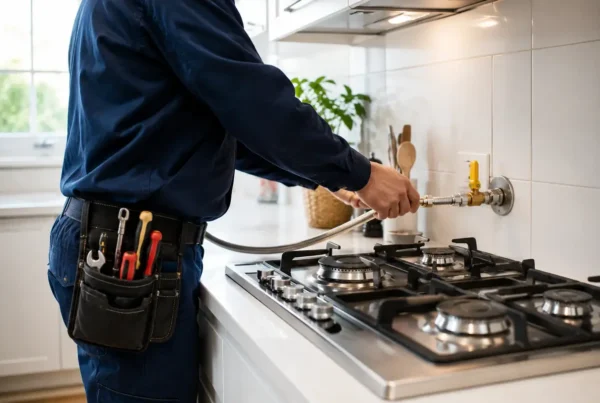
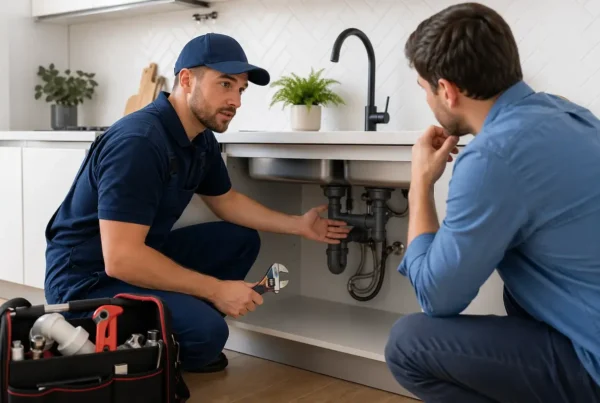
Repair Leaks: Plumbers use specialized detectors to pinpoint leaks, then seal or replace the bad pipe/fitting. After repairs, they pressure-test the system to ensure no more leaks.
-
Upgrade Pipelines: If your pipes are old or corroded, a plumber can replace them with modern copper tubing. This upgrade prevents future leaks and improves flow.
-
Service Regulators/Valves: Faulty regulators or valves on your gas meter or appliances are swapped out to restore steady pressure. This fixes erratic flames and temperature swings.
-
Tune-Up Appliances: Heaters, stoves and hot water systems get a thorough tune-up. Clean burners, clear flues and check for carbon monoxide leaks. The Australian energy department reminds us: always have a licensed gas fitter install or service heaters, and get a compliance certificate.
-
Install Detectors & Safeties: Your plumber can install carbon monoxide detectors (CO is odourless but deadly) and advise on ventilation. They’ll also inspect BBQ hoses and cylinder connections, recommending replacement if there’s any wear.
-
Safety Advice: After fixing the problem, a good plumber will explain what went wrong and how to prevent it. Many give you a safety checklist for your home’s gas system.
Local experts like Royal Flushed Plumbing & Gasfitting stress preventative maintenance. They suggest a gas safety check every 1–2 years. Fixing tiny issues early not only saves on fuel but also keeps your household safe and snug.
Choosing the Right Gas Fitter
When gas trouble looms, you want the best on the job. Here’s how to pick a great gas fitting plumber:
-
Verify Their Licence: WA law requires gas work to be done by a licensed gas fitter. Always ask to see the licence and check it online.
-
Look Locally: A Bayswater plumber knows local gas networks and regulations. Check reviews from other locals – a solid reputation means a lot.
-
Ask for a Quote: A good plumber will explain the issue in plain English and give a written estimate. Beware of extremely cheap offers: cutting corners on gas work is not worth the risk.
-
Insurance & Warranty: Make sure they have insurance and stand by their work. They should warranty their repairs and parts.
-
Check Response Times: Emergencies demand speed. Ask how quickly they can respond to a leak or burst pipe.
A reliable plumber earns your trust by working cleanly, testing thoroughly, and leaving everything in tip-top shape. In emergencies, you want someone who arrives fast with a calm, professional approach – that’s a sign of true pros.
Conclusion: Stay Gas-Safe in Bayswater
Gas is great for cooking and heating, but it demands respect. Bayswater homes should stay alert for the issues and warning signs we’ve covered. Never ignore that rotten-egg smell, hissing sound, or flickering flame. Quick action and calling a licensed gas fitting plumber can stop small issues from becoming big problems.
Preventing trouble is easier than cleaning up after a disaster. Keep vents and chimneys clear, and regularly test any gas sensors you have. When in doubt, call the experts – your local gas fitting plumber has the tools and training to handle it safely. Better safe than sorry. Even if everything seems fine, a quick search for “gas fitting plumber Bayswater” will point you to licensed local experts who can help.
A safe home is a happy home, and with the right gas fitting pros, you’ll keep things running smoothly in Bayswater.
FAQs About Gas Fitting Plumber Bayswater
-
How can I tell if there’s a gas leak?
The easiest clue is the rotten egg smell (a safety additive in natural gas). Also listen for any hissing near pipes. Check burner flames: they should be solid blue. Yellow flames or pilots that frequently go out can indicate leaks. Look for dead patches of grass over pipelines or bubbles in puddles. And watch out for headaches or nausea when appliances are on. If you suspect a leak, ventilate and call emergency services or a licensed plumber at once. For peace of mind, don’t hesitate to call a gas fitting plumber if you’re unsure.
-
Why should I use a licensed gas fitting plumber?
Gas fitting is not DIY. Only licensed pros have the training to install or repair gas systems safely. Australian rules mandate certified gas fitters for compliance and insurance. A licensed plumber ensures the job meets safety standards and your warranties or insurances remain valid. They also carry insurance in case of mishaps – giving you peace of mind.
-
What should I do in a gas emergency?
Don’t panic. Turn off the gas at the meter if you can, then go outside immediately. Call 000 (fire brigade) or the gas emergency line. Keep away from any flames or sparks. Once you’re safe, call a gas fitting plumber to fix the leak and restore your system.
-
How often should gas appliances be serviced?
Aim for every 1–2 years, or as the manufacturer recommends. Gas heaters and hot water systems usually need an annual check, especially before winter. Regular servicing by a licensed plumber keeps flames clean and ventilation clear, and it can catch small issues (like cracked flue liners) before they become serious.
-
When should I call a gas fitting plumber?
At the first sign of trouble. Strange smells, odd hisses, yellow flames, or health symptoms are all red flags. Don’t wait for the problem to get worse. Also call a professional if you’re installing a new gas appliance, relocating your stove, or upgrading heaters. Licensed gas fitting plumbers handle all of these jobs safely and by the book.